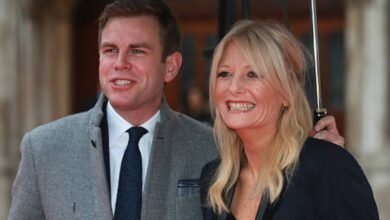
Tom Clarke is a science and technology journalist best known for his work as the Science and Technology Editor at Sky News. With a career spanning specialist science publications and major British television newsrooms, he has built a reputation for reporting on subjects that can be difficult to explain, from infectious diseases and climate change to artificial intelligence and space exploration.
His professional background is particularly interesting because journalism was not his original career plan. After studying zoology and pursuing research in entomology, Clarke decided that he was more interested in communicating scientific discoveries than conducting research himself. That change of direction eventually took him to ITN, Channel 4 News, ITV News and Sky News.
Quick Answer: Who Is Tom Clarke?
Tom Clarke is a British science and technology journalist who works as the Science and Technology Editor at Sky News. He joined the broadcaster in 2021 after spending more than 17 years at ITN, where he worked for Channel 4 News and ITV News. His reporting covers science, climate change, medical research, artificial intelligence and emerging technologies.
Clarke studied zoology at the University of Reading, entomology at Louisiana State University and science journalism at New York University. In 2022, he received an honorary Doctor of Science degree from the University of Reading. His age and marital status have not been reliably confirmed in publicly available sources.
Who Is Tom Clarke?
Tom Clarke is a science and technology editor at Sky News, where he reports on scientific developments, technological change and their effects on everyday life. His work combines journalism with an understanding of scientific research, allowing him to explain complicated subjects to television audiences and readers.
Before joining Sky News in 2021, he spent more than 17 years at ITN, working as a science journalist for Channel 4 News and ITV News. His previous reporting included investigations into medical research, environmental developments and major international health emergencies.
Rather than concentrating on one narrow area of science, Clarke’s work covers a broad range of subjects. This includes medicine, climate, biodiversity, technological innovation and space.
Education and the Decision to Pursue Journalism
Clarke’s interest in science developed long before his television career. He studied zoology at the University of Reading, graduating with a bachelor’s degree in 1994.
After university, he moved to the United States to pursue a PhD in entomology at Louisiana State University. His studies focused on insects, but the experience also helped him recognise that his interests lay more in writing and explaining scientific subjects than pursuing a conventional research career.
He subsequently secured a place on a science journalism programme at New York University, where he completed a master’s degree in science journalism in 1999.
His education gave him a useful combination of scientific knowledge and journalistic training. This background has remained central to his reporting, particularly when dealing with research that requires careful explanation rather than simple headlines.
From Scientific Research to Nature Magazine
Before establishing himself in television journalism, Clarke gained experience in American radio and television. He also worked as a science specialist for National Public Radio (NPR).
After returning to London, he joined the science journal Nature. He spent approximately three years there, developing his experience of reporting on scientific research and communicating discoveries to readers.
Working for a respected scientific publication provided a different perspective from television news. Instead of concentrating primarily on immediate headlines, science journalism often requires an understanding of research methods, evidence and the limitations of individual studies.
That experience helped prepare him for the challenges of explaining scientific developments to a much wider audience.
Building His Broadcasting Career at Channel 4 News
In 2003, Clarke joined ITN, the production company behind Channel 4 News, beginning his career in British broadcast journalism.
He initially worked as a science reporter before becoming a science correspondent in 2005. His responsibilities grew as he took on increasingly complex investigations and major reporting assignments.
In December 2011, Channel 4 News announced that he would become its first Science Editor. The appointment reflected the programme’s intention to strengthen its specialist science coverage.
One of his notable investigations concerned the use of Tamiflu, an antiviral medicine. His reporting on the subject received a nomination for a Royal Television Society award. The nomination recognised investigative journalism rather than a presenting achievement.
Other Channel 4 assignments included reporting on the consequences of the Fukushima nuclear disaster and developments in Alzheimer’s research. He also covered scientific and environmental issues that required detailed investigation and international reporting.
His Work as Science Editor at ITV News
In February 2018, ITV News announced Clarke’s appointment as its Science Editor.
The move followed 14 years of reporting for Channel 4 News, giving him the opportunity to bring his specialist experience to another major British broadcaster.
At ITV, his work covered television, digital journalism and current affairs. His reporting included developments in space exploration, environmental change, medical research and scientific innovation.
Some of his earlier assignments had taken him to difficult reporting environments. These included covering the Ebola outbreak in West Africa in 2014, investigating developments in Alzheimer’s research in Colombia and examining the effects of climate change.
His experience also included reporting on technical concerns surrounding major infrastructure projects, including Grenfell Tower and the Hinkley Point nuclear reactor.
During the COVID-19 pandemic, Clarke played an important role in ITV News’ science coverage. He helped explain the changing medical evidence and questioned politicians and public officials about their handling of the crisis.
His scientific background was particularly relevant during this period, when reliable explanations of medical research, public health decisions and emerging evidence became increasingly important.
Tom Clarke’s Career at Sky News
Clarke joined Sky News in 2021 as its Science and Technology Editor. The appointment brought together his experience in scientific reporting, investigative journalism and television news.
His responsibilities cover a wide range of subjects. Medical research, climate change, biodiversity, artificial intelligence, cybersecurity and space exploration are among the topics within his professional remit.
His Sky News reporting demonstrates how broad the role has become. Technological developments are no longer limited to specialist technology coverage. Artificial intelligence, online security and digital infrastructure can affect businesses, governments and ordinary households.
Similarly, environmental reporting involves more than explaining changing temperatures. It can include scientific evidence about extreme weather, ecosystems, melting ice and the consequences of climate change.
Clarke’s role is therefore not simply about reporting new discoveries. It also involves examining what scientific and technological developments mean for society.
Sky News continues to list him as its Science and Technology Editor, with London given as his professional location.
Honorary Doctorate from the University of Reading
One of the most significant recognitions of Clarke’s career came from his former university.
On 8 December 2022, he received an Honorary Doctor of Science degree from the University of Reading. The university recognised his contribution to science communication, particularly his reporting during the COVID-19 pandemic and on climate change.
The recognition reflected the importance of explaining complicated scientific subjects accurately and accessibly.
His connection with the university also brought his professional journey full circle. He had graduated with a zoology degree in 1994 before moving into scientific research and eventually journalism.
The honorary degree recognised the contribution he had made to helping the public understand scientific developments, rather than suggesting that he had followed a conventional academic career.
Is Tom Clarke Married? What Is Known About His Personal Life?
Tom Clarke keeps his personal life separate from much of his professional work. His publicly available broadcaster and university biographies concentrate primarily on his education, journalism and scientific reporting.
His University of Reading interview touched on the demands of breaking news and the effect that an unpredictable journalism schedule can have on family and social life. However, it did not identify a wife or provide details about a marriage.
There is currently insufficient reliable public information to confirm the name of his wife or establish further details about his relationship status.
Clarke’s date of birth and exact age have also not been reliably established in the biographical sources reviewed. It would therefore be misleading to publish an estimated age as a confirmed fact.
Frequently Asked Questions
Who is Tom Clarke?
Tom Clarke is a science and technology journalist who works as the Science and Technology Editor at Sky News. He previously held specialist journalism positions at Channel 4 News and ITV News.
What is Tom Clarke’s role at Sky News?
He is Sky News’ Science and Technology Editor. His reporting covers subjects including climate change, medicine, artificial intelligence, space exploration and technological developments.
When did Tom Clarke join Sky News?
He joined Sky News in 2021 after working at ITN, where he held science journalism positions at Channel 4 News and ITV News.
Where did Tom Clarke study?
He graduated in zoology from the University of Reading in 1994. He later studied entomology at Louisiana State University and completed a master’s degree in science journalism at New York University in 1999.
Has Tom Clarke received any awards?
His investigative reporting on Tamiflu was nominated for a Royal Television Society award. He also received an honorary Doctor of Science degree from the University of Reading in December 2022.
Is Tom Clarke married?
His marital status and the identity of any wife have not been reliably confirmed in the public biographical sources reviewed.
What subjects does Tom Clarke report on?
His specialist coverage includes science, medicine, climate change, environmental issues, artificial intelligence, cybersecurity and space exploration.
A Career Connecting Science and Journalism
Tom Clarke’s career has developed through a distinctive combination of scientific education, investigative reporting and television journalism. From his early interest in zoology to his work at Nature, Channel 4 News, ITV News and Sky News, his professional journey demonstrates the value of making complex subjects understandable to a wider audience.
His work as a science and technology editor continues to bring important developments to public attention. For readers interested in the journalists behind British television news, his career offers an interesting example of how scientific knowledge can shape a lasting contribution to broadcasting. BritInsight examines the professional journeys and achievements of media figures such as Clarke, providing context beyond their on-screen roles.